
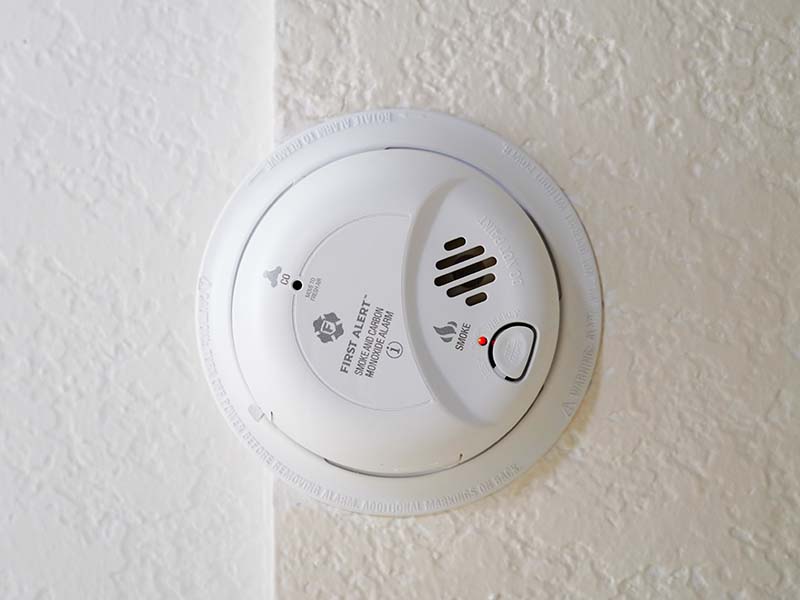

Carbon monoxide (CO) is known as the silent killer — and for good reason. It’s a colourless, odourless, and tasteless gas that can be deadly if it builds up in your home.
Every year in the UK, hundreds of people are hospitalised due to carbon monoxide poisoning — and sadly, many of these incidents could have been prevented with a simple, affordable carbon monoxide detector.
At HomeGuard Heating Solutions we take your safety seriously. Here’s everything you need to know about the dangers of CO, how to spot the signs, and how to keep your home protected.
1. What is Carbon Monoxide?
Carbon monoxide is a toxic gas produced when fuels such as gas, oil, coal, or wood don’t burn completely.
Common household sources include:
- Gas boilers and water heaters
- Gas cookers and fires
- Solid fuel stoves or open fires
- Blocked flues or chimneys
When these appliances are faulty, poorly installed, or badly ventilated, they can release carbon monoxide into your home.
2. Signs of Carbon Monoxide Poisoning
Because carbon monoxide has no smell or taste, it can be difficult to detect without a proper alarm. However, there are some warning signs to watch for.
Physical Symptoms:
Carbon monoxide poisoning can feel similar to flu — but without the fever. Symptoms include:
- Headaches
- Dizziness or confusion
- Nausea or vomiting
- Tiredness and weakness
- Breathlessness
- Loss of consciousness in severe cases
If you feel better after leaving your home, it could be a sign of carbon monoxide exposure.
Household Warning Signs:
- Sooty or yellow stains around your gas boiler, fire, or cooker
- A yellow or orange flame (instead of blue) on your gas appliances
- Increased condensation on windows near heating appliances
If you notice any of these, turn off the appliance and call a Gas Safe registered engineer immediately.
3. Why You Need a Carbon Monoxide Detector
A carbon monoxide detector is the only reliable way to know if CO is present in your home. These alarms continuously monitor the air and sound a loud warning if carbon monoxide levels rise.
In the UK, it’s now a legal requirement to have a CO alarm installed in any room with a fixed combustion appliance — such as a gas boiler, wood burner, or fireplace.
Make sure your alarm:
- Meets British Standard EN 50291
- Is placed at head height, about 1–3 metres from the appliance
- Is tested regularly (usually with a simple button press)
- Has working batteries or a long-life sealed unit
4. How to Stay Safe from Carbon Monoxide
Here are a few essential steps to protect your household:
- Have your gas appliances serviced annually by a Gas Safe registered engineer.
- Install a certified CO alarm in every room with a gas or solid fuel appliance.
- Keep flues, chimneys, and vents clear from blockages.
- Know the symptoms and act quickly if you suspect exposure
If your alarm goes off, get everyone outside immediately, open windows and doors for ventilation, and call the National Gas Emergency number on 0800 111 999.
5. Professional Installation and Safety Checks
At HomeGuard Heating Solutions, we provide:
- Carbon monoxide detector installation and testing
- Gas appliance servicing and safety checks
- Flue and ventilation inspections
- Emergency gas callouts across South East Cornwall
Our team is Gas Safe registered and available to ensure your home is fully protected from CO risks.
Protect Your Family — Don’t Take Chances
Carbon monoxide is invisible, but the danger is real. A simple detector and regular maintenance could save your life.
If you need your gas appliances checked or want a detector installed, contact HomeGuard Heating Solutions today for fast, friendly service from qualified engineers.
Why not plan ahead and subscibe to one of our fantastic Homecare plans to enjoy ongoing safe and healthy running of your heating system and priority call out service.
