
When winter sets in and the temperature drops below freezing, frozen pipes become one of the most common plumbing problems across the UK. Not only can frozen pipes cut off your water supply, but they can also burst, leading to serious water damage and costly repairs.
Based in Polperro, HomeGuard Heating Solutions help homeowners across South East Cornwall prevent, thaw, and repair frozen pipes safely and efficiently. Here’s what you need to know to protect your home this winter.
1. Signs Your Pipes Might Be Frozen
Frozen pipes often give a few warning signs before things get serious. Keep an eye out for the following:
a. No Water or Very Low Pressure
If you turn on a tap and only a trickle comes out – or no water at all – it’s likely that a section of your pipework has frozen.
b. Frost or Ice on Pipes
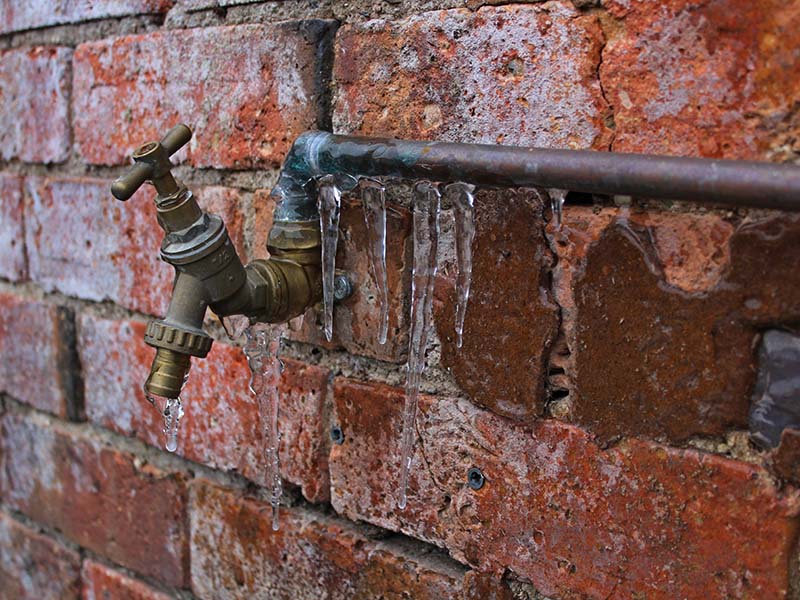
Check any exposed pipes, particularly in lofts, garages, under sinks, or outdoor areas. Frost or ice on the outside is a clear indicator that the water inside may be frozen solid.
c. Unusual Smells
A strange smell coming from your taps or drains can happen when pipes are frozen and the blockage prevents odours from escaping properly.
d. Bulging or Damaged Pipes
Pipes that look swollen, cracked, or distorted may be under extreme pressure from ice inside — which means a burst could be moments away.
2. What to Do If You Think a Pipe Has Frozen
If you suspect a frozen pipe, don’t panic, but act quickly:
- Turn off your water supply at the stopcock (usually found under the sink or near the water meter).
- Open the affected taps to relieve pressure and allow water to escape as it thaws.
- Gently warm the frozen area using a hairdryer, hot water bottle, or warm towels.
- Never use a naked flame, blowtorch, or heat gun — it’s dangerous and can damage your pipes.
- Start thawing from the tap end and work your way back to the frozen section.
- Call a professional plumber if you can’t locate the frozen section or if a pipe has burst.
3. How to Prevent Frozen Pipes in the First Place
A few simple precautions can make a big difference during cold spells:
- Insulate exposed pipes in lofts, garages, crawl spaces, and outdoor areas.
- Leave heating on low if you’re away from home for a few days.
- Keep internal doors open to allow warm air to circulate.
- Open cupboard doors under sinks to let warm air reach pipes.
- Disconnect and drain outdoor hoses before temperatures drop.
- Fix any dripping taps – a small trickle of water can freeze and block your pipes.
4. What to Do If a Pipe Bursts
If a frozen pipe bursts, follow these steps immediately:
- Turn off your water at the stopcock to stop the flow.
- Switch off electricity in affected areas if there’s flooding.
- Move furniture and belongings away from the water to prevent damage.
- Call an emergency plumber straight away.
- Start mopping up while you wait for help to arrive.
At HomeGuard Heating Solutions, we offer 24/7 emergency plumbing services throughout South East Cornwall including Polperro, Looe, Fowey, Liskeard, Bodmin, and Lostwithiel. Our qualified plumbers can quickly locate the problem, carry out repairs, and help you prevent future issues.
Stay Warm and Worry Free This Winter
Frozen or burst pipes can be stressful, but with a few preventative measures and fast professional help, you can avoid major headaches.
If you’re dealing with frozen pipes — or just want to make sure your home is winter-ready — contact HomeGuard Heating Solutions today for expert advice and fast, reliable service.
